
About Magnificent Obsession
Magnificent Obsession (1954) is a quintessential Hollywood melodrama that masterfully blends themes of guilt, redemption, and transformative love. Directed by Douglas Sirk, the film tells the story of Bob Merrick (Rock Hudson), a wealthy and careless playboy whose irresponsible actions lead to the death of a beloved local doctor. In his quest for atonement, Bob attempts to help the doctor's widow, Helen Phillips (Jane Wyman), who is now blind as a result of the same tragic sequence of events. What begins as an obligation evolves into a profound and complicated love, as Bob must conceal his identity while helping Helen rebuild her life.
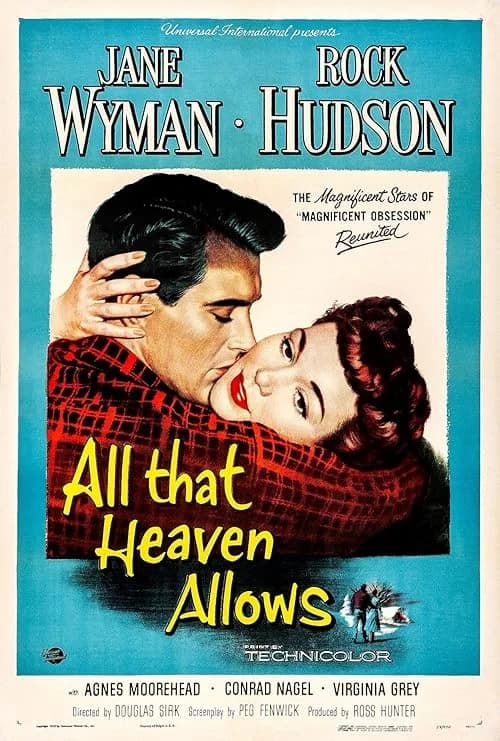
The film is elevated by powerful performances from its leads. Jane Wyman delivers a poignant and nuanced portrayal of grief and resilience, earning critical acclaim. Rock Hudson effectively sheds his typical matinee idol persona to depict a man's arduous journey from shallow privilege to genuine depth and sacrifice. Douglas Sirk's direction is impeccable, using lush Technicolor, expressive lighting, and careful composition to heighten the emotional stakes and visual symbolism of the story. The film's score further amplifies its sweeping romantic tension.
Viewers should watch Magnificent Obsession not only for its compelling narrative but also as a prime example of 1950s cinematic artistry. It explores timeless questions about responsibility, the possibility of personal change, and the healing power of love—even when born from tragedy. The chemistry between Wyman and Hudson, combined with Sirk's masterful visual storytelling, creates an emotionally resonant experience that remains captivating for modern audiences seeking classic, heartfelt drama.
The film is elevated by powerful performances from its leads. Jane Wyman delivers a poignant and nuanced portrayal of grief and resilience, earning critical acclaim. Rock Hudson effectively sheds his typical matinee idol persona to depict a man's arduous journey from shallow privilege to genuine depth and sacrifice. Douglas Sirk's direction is impeccable, using lush Technicolor, expressive lighting, and careful composition to heighten the emotional stakes and visual symbolism of the story. The film's score further amplifies its sweeping romantic tension.
Viewers should watch Magnificent Obsession not only for its compelling narrative but also as a prime example of 1950s cinematic artistry. It explores timeless questions about responsibility, the possibility of personal change, and the healing power of love—even when born from tragedy. The chemistry between Wyman and Hudson, combined with Sirk's masterful visual storytelling, creates an emotionally resonant experience that remains captivating for modern audiences seeking classic, heartfelt drama.